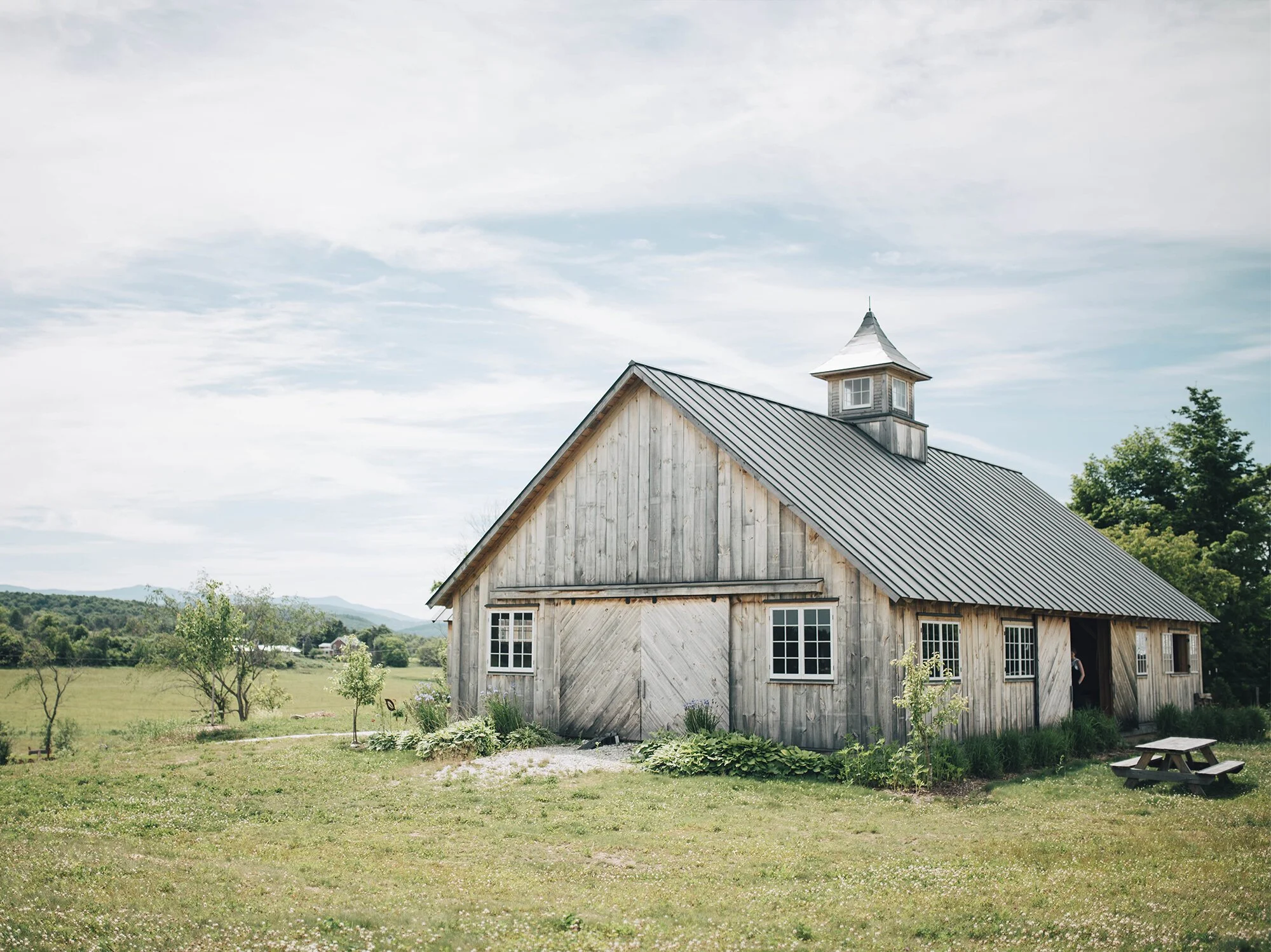
Adam's Berry Farm
Adam’s Berry Farm is located in Charlotte, Vermont just 15 miles south a Burlington. We grow certified organic strawberries, blueberries, raspberries and flowers on 57 acres of conserved land. The farm’s goal is to create community through food and berries. You can find our berries throughout Vermont and select regional markets. The farm comes alive in the summer withpick your own berries, thefarm standandeventsfor the entire family. We invite you come visitus! The food community in Vermont is tremendous and we are proud to contribute. We work with many great chef’s, food business, breweries and farms. These partnerships shape and strengour local food system. We believe that how we choose to consume has an impact on the environment and our future. We hope that the farm can be part of that choice. We value the relationships with those who eat our food and support our livelihood. Grow high-quality certified organic berries to be distributed through diverse local markets in the greater Burlington region. Foster community through pick-your-own and various community outreach projects. Educate customers about where their food comes from and the importance supporting local and organic. Create an enjoyable work environment for ourselves and our berry farm employees. Make the farm entertaining for both customers and employees—we want an energetic and fun vibe. Have a friendly and informed staff who are committed to the future of small farms—they work hard, inspire customers, and help us remain excited about what we grow. Reduce our exposure to chemical pesticides and fertilizers by using certified organic practices. Strengthen local economy and community. Treat our customers like guests. We want to help you understand the farm, why what we do that is unique, why support organic and sustainable, why local, why flavor is enhanced through local varieties, what goes into the process, and how it is grown. We are a customer-directed business. Upholding our growing and farming criteria: Would we eat it ourselves, and would we feed it to our children? How was it raised grown or made? What was the impact on the environment? How were the workers treated? Can we feel good about that? Be welcoming and accommodating. The farm also serves as a hub for socializing and interacting. People want and need a connection with their food, the natural landscape and their neighbors right now. We want to create a place that we would like to visit and shop. Encourage people to go low on the retail chain by buying direct from farmers, farmers markets, co-ops, natural food stores and local independent stores. These are relationship businesses that keep the local Vermont economy thriving. In 2001, we started the berry farm with 300 plants in the mountains of Lincoln, Vermont. We quickly came to terms that we had a mouse-sized growing season and explored moving to expand the farm and micro-climate. We looked for land for a period but nothing was available that either offered decent agricultural soils or price. A dear friend suggested that we look into the Intervale, about which we had only heard rumors before. A month later, we had signed a lease and oddly moved to the city to start a farm. The 12 years at the Intervale allowed us to find our roots, build community and establish a business. Continual flooding and crop losses, however, forced the farm transition to higher ground. In the fall of 2012, we closed on a new piece of farmland in East Charlotte, about 10 miles south of Burlington. We worked with the Vermont Land Trust and the Farmland Access Program to purchase a beautiful piece of conserved farmland for our farm’s new home. In the spring of 2013, we started our relocation to our new and permanent home. The move offered us long-term stability, the ability to expand on our vision and offer greater production capabilities. The nice change is that we now live on property and farm allowing us to stay in touch with its rhythm. The slope of